

It all started with a request from my wife: a “rustic” dining room table to perfectly complement our ’20s-inspired farmhouse. She wanted something that felt traditional but also had that wonderfully primitive, worn-in look. I knew just the wood that would deliver the goods: locally sourced laurel oak.

My dad and I had already tinkered with laurel oak on a few projects, and we knew its natural beauty was unmatched. What we also knew was its dark side. Unlike its robust cousin, the live oak, laurel oak isn’t exactly known for its slow growth or storm-defying strength. It grows fast, tends to rot from the core, and often cracks and topples in bad weather. (Seriously, don’t build your house under one!)
Yet, these very “flaws” are what give it its soul. While live oak delivers pale, straight-grained lumber, laurel oak is a kaleidoscope of colors and grain patterns—curly, spalted, quarter sawn, knotted, worm holes, even stained from old metal embedded in the tree. It’s this wild dichotomy of dense yet brittle wood that makes it such a chore to work with, and yet so utterly captivating.
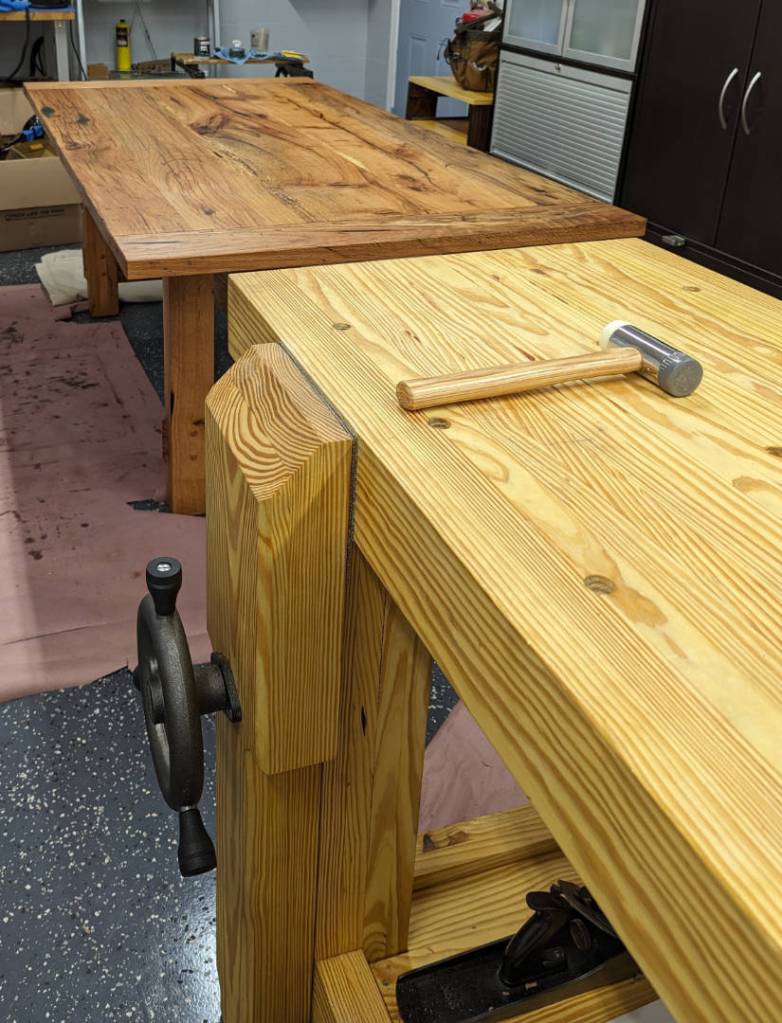
The project kicked off with a stack of 8/4 laurel oak from a local mill. Even rough from the saw, it screamed “rustic.” For the design, I settled on a modified trestle table, blending inspiration from several online finds, with a big nod to a table from Nick Offerman’s shop.
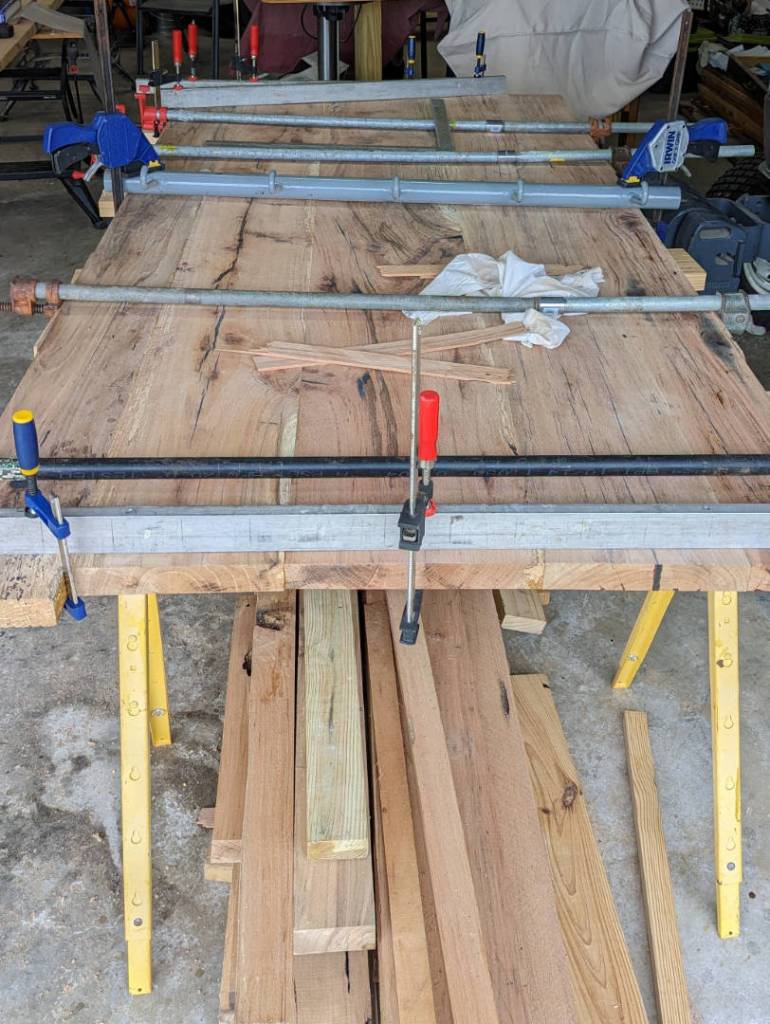
As we started cutting and laying out the pieces, it became clear: this pile of lumber was a masterclass in every challenge known to woodworking. Cracks! So many cracks, some running deep and linear. This meant one thing: epoxy filling. And boy, did it take epoxy. I swear I could’ve made a river table with the amount we poured into those knots and fissures. Fill, sand, fill again, sand again—it was a relentless cycle. And laurel oak, being the brutish wood it is, constantly dulled every blade in the shop. I seriously thought the build process would never actually begin.
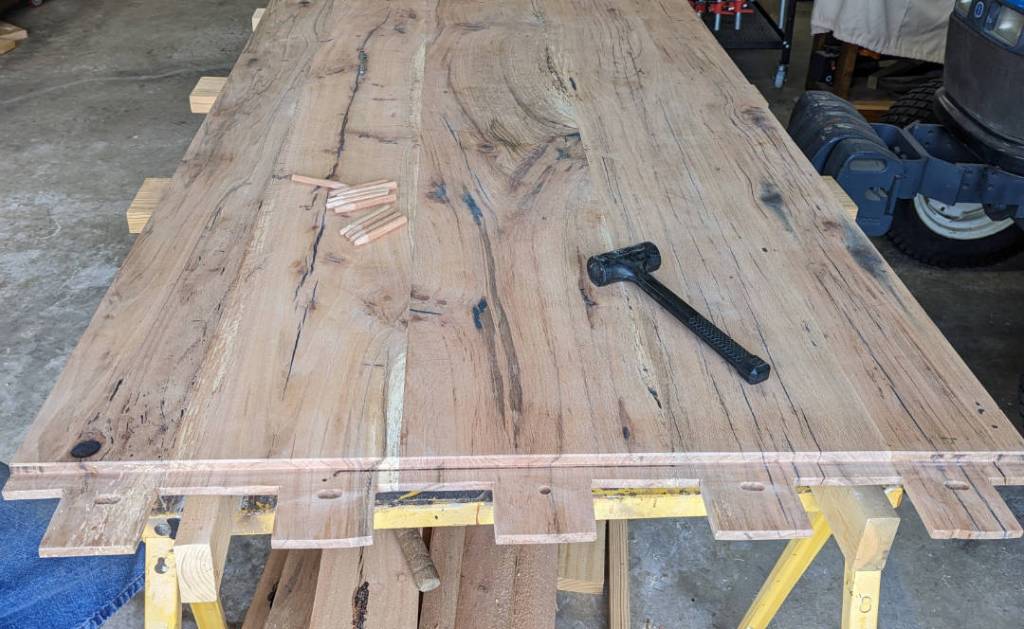
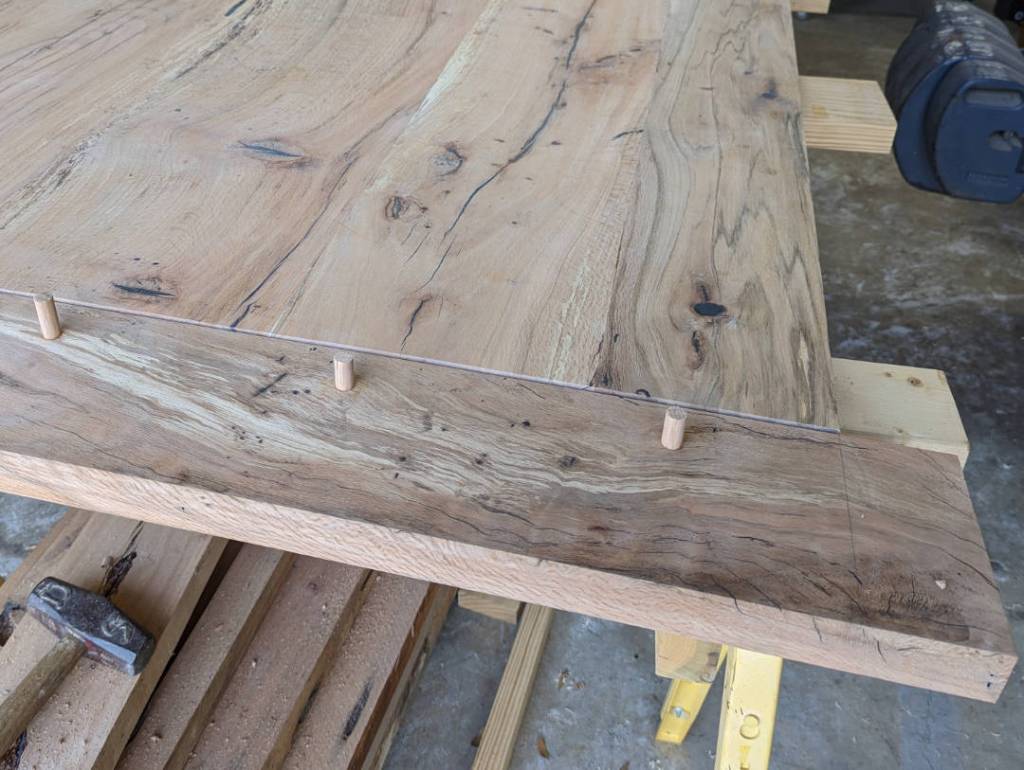
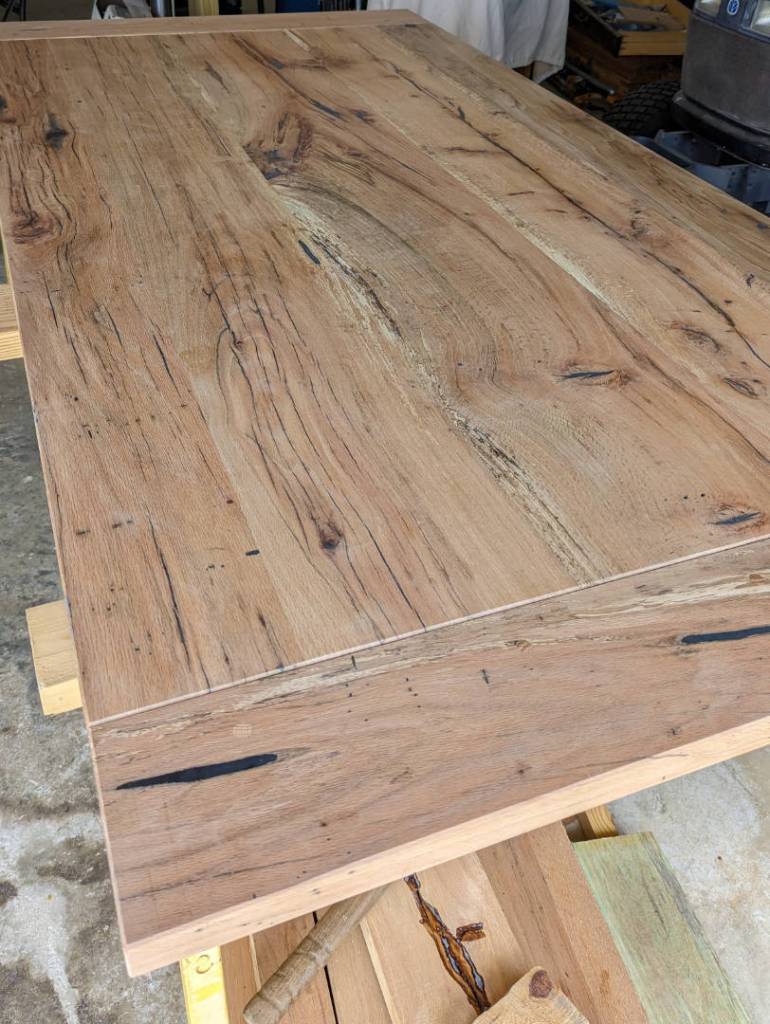
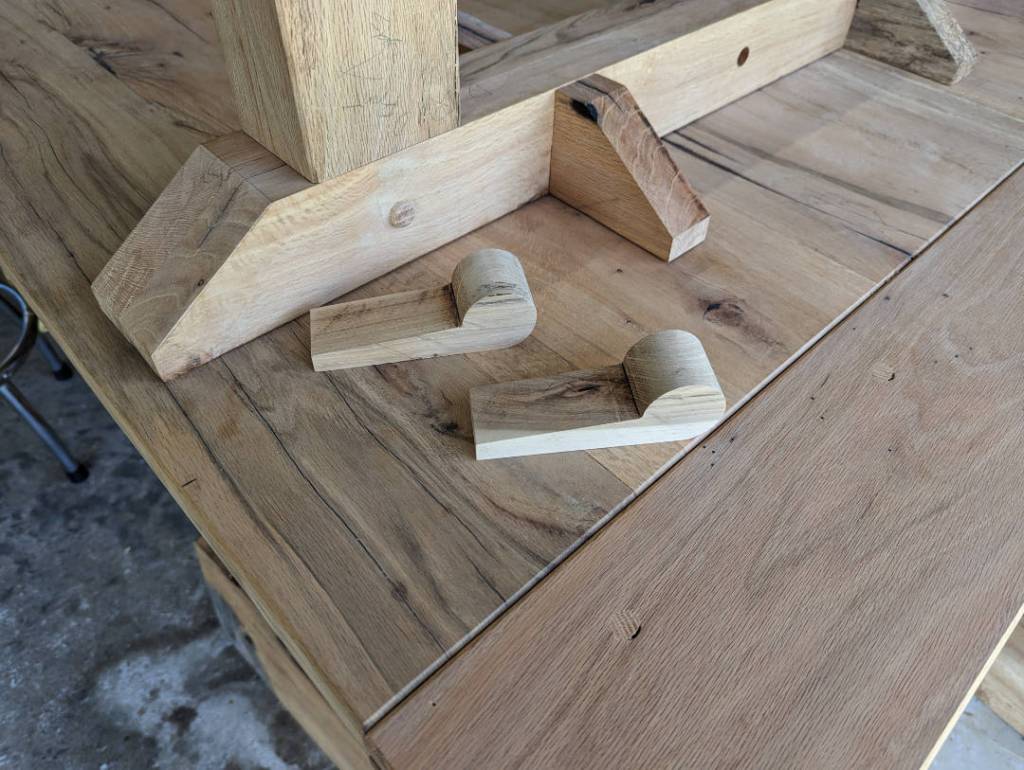
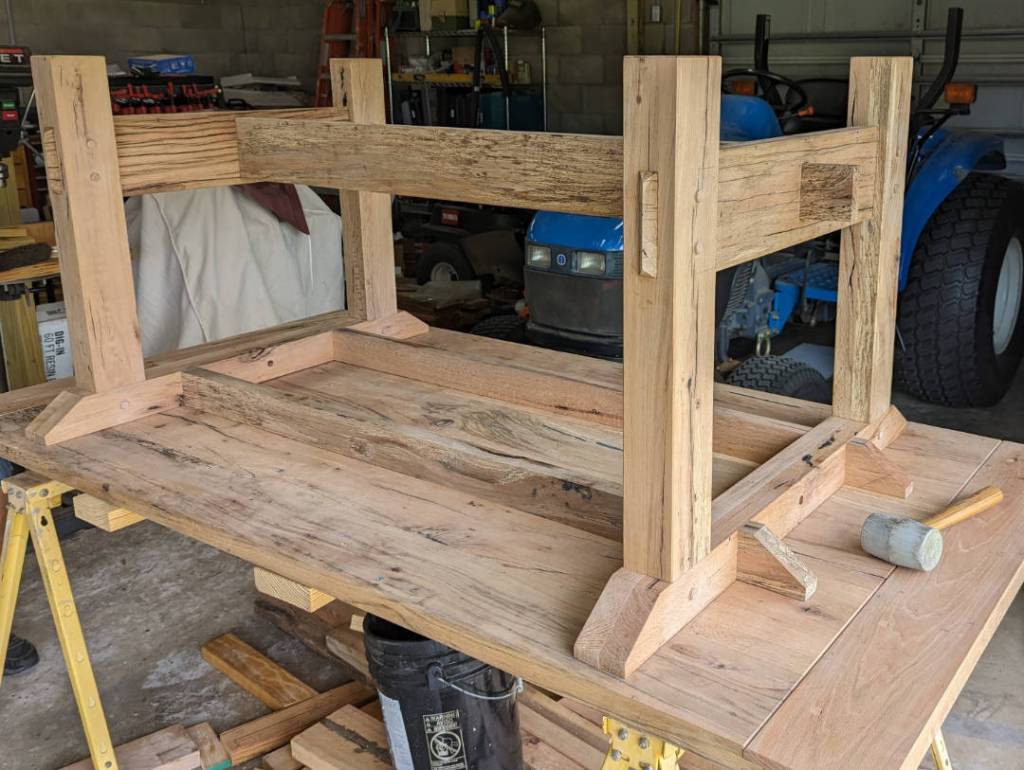
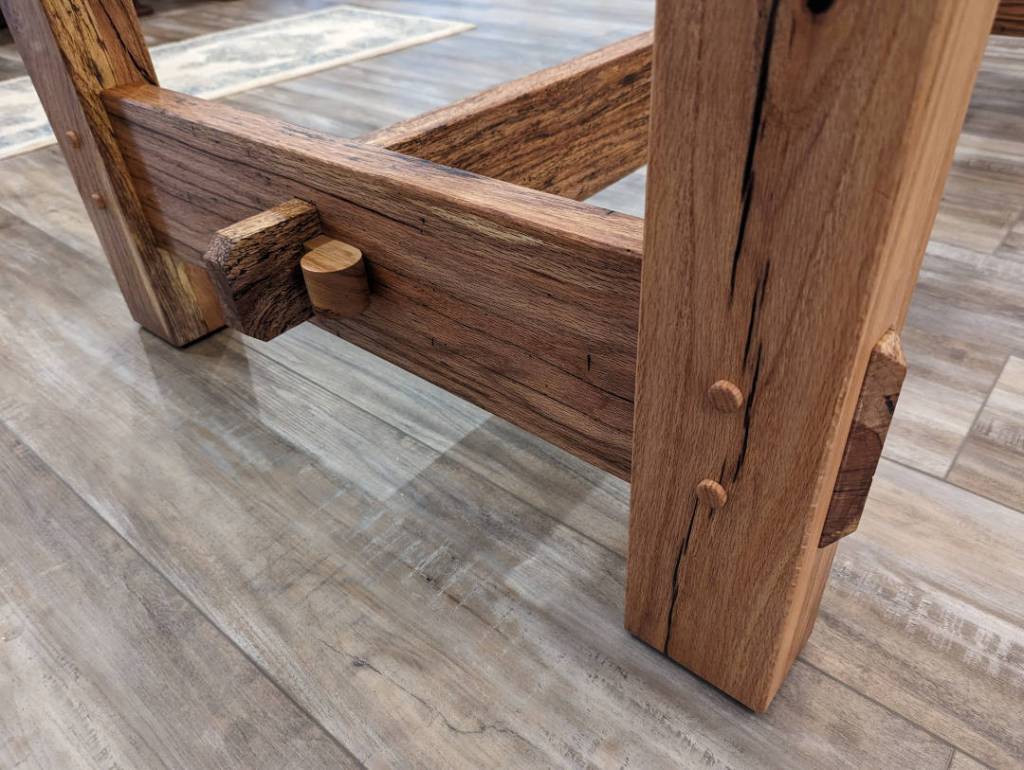
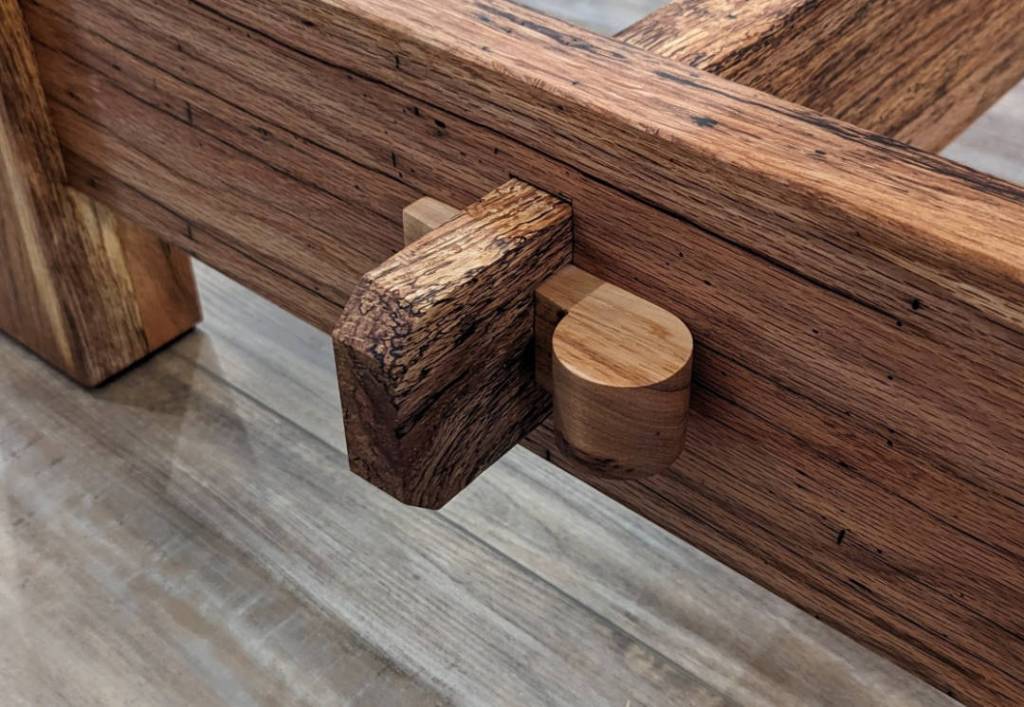
With so many “features” in the wood, I knew the tabletop was at high risk of warping. To combat this, I incorporated traditional breadboard ends, attached with a tongued tenon and pegs in elongated holes to allow for natural wood movement. This table is also incredibly heavy, so designing it to break down for moving was essential. Using purely traditional methods (no nails or screws here!), the table assembles and holds together with just two wedged tenons, two pegs, and several saddle joints.
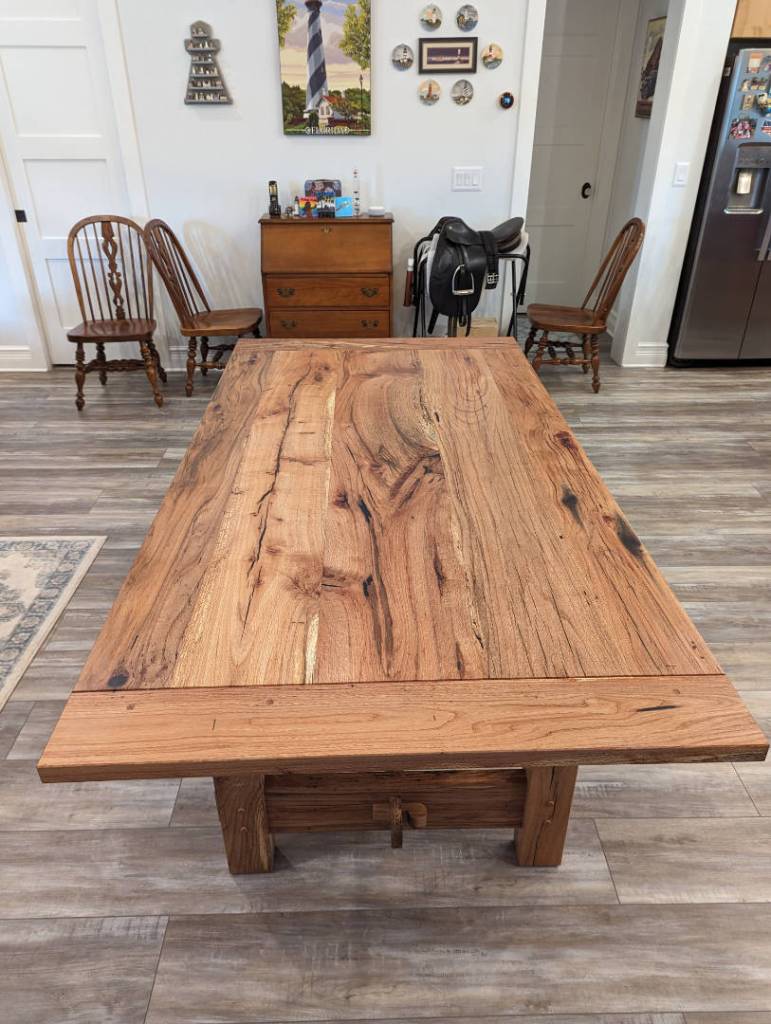
Finally, the whole piece was finished with Rubio’s Monocoat for a beautiful, protective matte finish. The final product? It’s nothing short of amazing. Photos truly don’t do it justice. It’s wonderfully rustic, with those unique grain patterns beautifully highlighted by the dark epoxy.
This table is truly a one-of-a-kind piece, largely because I’m not planning to make another one with laurel oak anytime soon! The sheer hours of labor due to this challenging wood would make it ridiculously expensive to reproduce. The design, however? Absolutely. I’d happily build this design again… just with some other kind of wood!








 Wood Fire Workshop
Leave a comment